The short answer
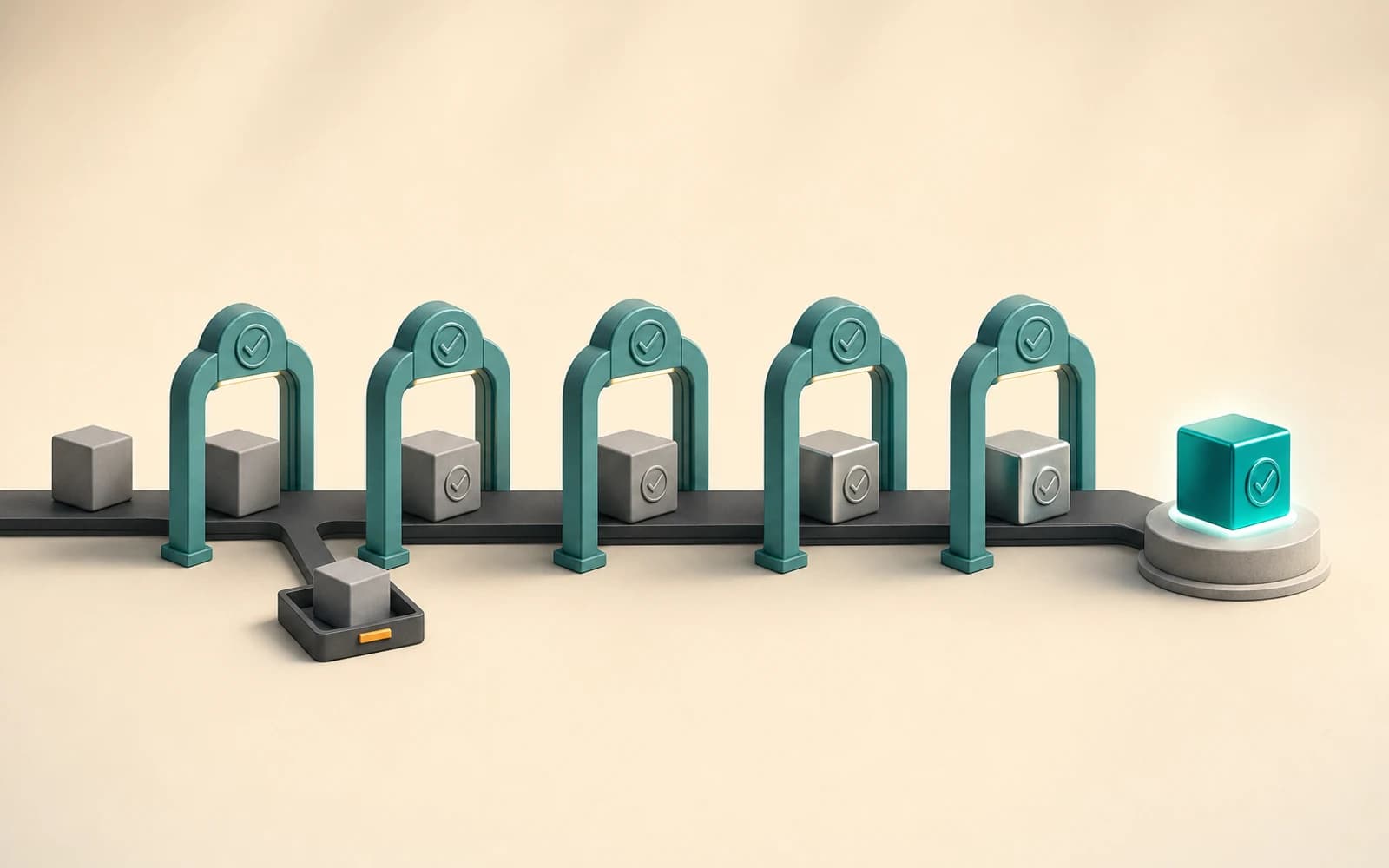
Good Mom Test questions ask about the person’s recent past and what they already spend, not about your idea. Ask "When did this last happen, and what did you do about it?" instead of "Would you use an app for this?", and "What do you pay today for anything that handles part of this?" instead of "How much would you pay?". The bad versions get you a compliment, fluff or a feature wish. Your idea comes up only in the closing ask, and that ask is for a commitment.
Key takeaways
- Swap "would you" for "when did you last": A question about one recent moment returns a date, a workaround or a receipt. A question about the future returns a polite guess that the person never has to honor. The one exception is the closing ask, where the answer is a commitment made on the call.
- Ask what they spend today, never what they would pay: Current spending on tools, freelancers or staff hours is the price a new product gets compared against. A price quoted for something that does not exist yet costs the speaker nothing.
- Find out who signs before the call ends: Ask how the last tool in this area got bought and whose card or approval it went on. The person who has the problem is often not the person who holds the budget.
- Only commitments count as a signal: Time (a booked follow-up), reputation (an introduction to a colleague) or money (a deposit). Compliments and "send me a link when it launches" cost the speaker nothing, so they are not evidence.
- Public data answers three questions before any call: Who already sells to this buyer, what they charge, and whether the market exists. Interview time is better spent on what only the buyer can tell you.
A common mistake during customer interviews is to ask things like "Would you use this?", which, unsurprisingly, you can guess the answer to: yes. Saying it costs the other person nothing, and it tells you nothing about whether they will pay.
If you want to avoid that, ask Mom Test questions instead. This post contains 26 of them, each next to the bad version of the question. I sorted them by the type of information you need, and if you only have time for a few, start with questions 1, 8, 14, 22 and 25.

Will your idea survive the market?
Preuve AI runs 10 agents against live market data and links every claim to a source. Free analysis in 60 seconds.
What is the Mom Test?
The Mom Test is a set of rules on how to talk to your customers that comes from the book The Mom Test by Rob Fitzpatrick, published in 2013. The name comes from the idea that your mom will want to tell you that what you’re doing is great, so you should be asking questions that even she cannot lie to you about.
Fitzpatrick is a programmer and a Y Combinator alum who found himself talking to customers at his first company, without any book that would teach him how to do that. The Mom Test contains three rules which, rephrased by me, are:
- Ask about their life instead of your idea.
- Ask about specifics in the past instead of general or future-oriented questions.
- Talk less and listen more.
Most bad customer interview questions break the second rule, so, as a rule of thumb, you can just remember:
"Anything involving the future is an over-optimistic lie."
So ask about past behavior and real spending. Don’t ask about their opinions on your idea or about what they will do once you have a product.
What makes a good Mom Test question?
Before I keep a question, I check that it is about their life and not my idea, and that it points at one specific moment that already happened. The answer should cost them a little effort to give: a date, a count, someone’s name. If you can guess the answer before the call, the question goes.
The book splits all the bad data you can get from asking the wrong questions in three categories: compliments, fluff (that includes generic claims, hypotheticals and future promises) and ideas (that are, in reality, feature requests, since they don’t explain the why behind them). I’ll describe the problem with each bad question below.
The book is not as hard as it might seem from the description above and actually says that you don’t need to avoid asking "would you ever" questions completely, as they can be good for starting a conversation about a topic. The trouble starts when you write the answer down as evidence.
If you feel the answer is too vague, ask additional questions to get the person to talk in facts, such as "When was that?", "Can you show me?", "What did you do next?" or "What did it cost?". At the end of the call, before you hang up, ask the question the book itself suggests: "Is there anything else I should have asked?"
| Goal | What you need to learn | A strong answer sounds like | Questions |
|---|---|---|---|
| The problem | Is it real, recent and costly? | A dated story with a loss in it | 1 to 7 |
| The workaround | What they use today and why | A tool, a spreadsheet or a person, shown on screen | 8 to 13 |
| Spending | What it already costs them | A line item, an invoice or a count of hours | 14 to 20 |
| The buying process | Who finds, approves and pays | A name, a card and how long the last purchase took | 21 to 26 |
Source: my own set of 26 question pairs, built on the three rules and the three kinds of bad data in Rob Fitzpatrick’s The Mom Test (2013), official site read October 12, 2026. The table sorts questions by goal; it measures nothing.
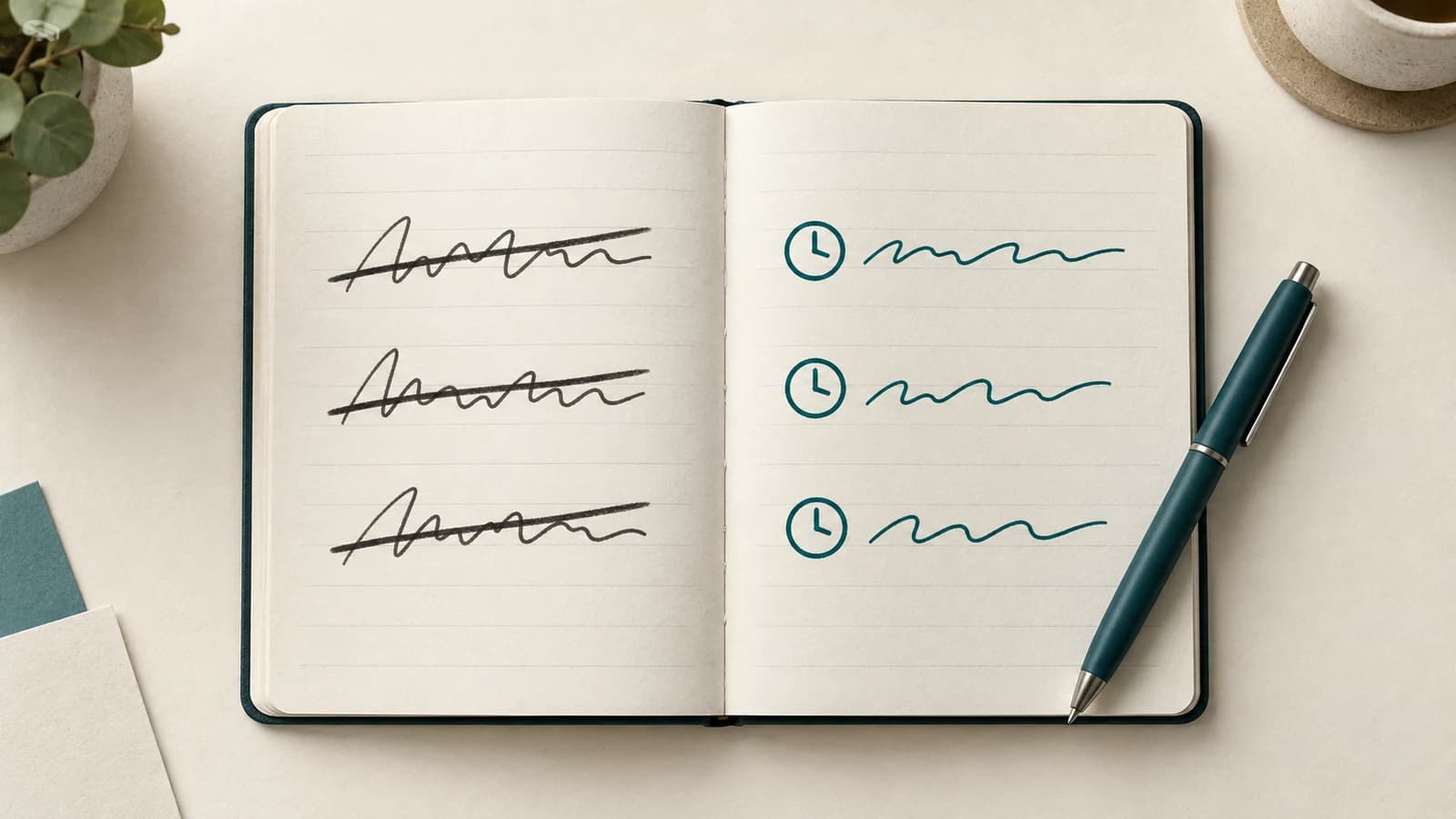
This page explains what you should ask during your Mom Test calls. For how to find people and run the call, check out my separate guide.
Which Mom Test questions prove the problem is real?
Here are a few examples of good problem questions to ask when applying the Mom Test. When I say good, I mean they’ll help you find out if a problem actually exists or not. Most people will agree with you if you tell them what their pain is. Instead, ask them when it last happened.
A common mistake is asking a question that’s too broad, which will result in a very generic answer that doesn’t help you. This happened to someone from r/startups who asked about the biggest challenge of the last few weeks and ended up with answers that were as generic as the question. One reply summed it up: "Ask generic questions, get generic answers." Instead, choose the area beforehand and then ask about the last time something happened in it, which gives you a more specific answer.
They’ll agree with you because you’re telling them how they feel. If they tell a story, make sure they actually go through the pain you’re expecting them to.
They’ll simply agree: "of course it’d be nice if it was faster". If they give you a time, make sure it’s actually a long time.
This is too generic, so they’ll give you a generic answer. It’s also much easier for them to answer since you’re only talking about the last week.
"Roughly" is a big problem here. Instead, see if they can count it up from their calendar.
This is just fluff: they’re talking about a crowd that doesn’t exist. They should know how much they’re losing.
By asking this you’re making it a priority. If it’s not on the list they already keep, it’s not a priority.
You’re leading the question and they’ll agree with you. Find out what actually stopped them last time. Maybe the pain wasn’t high enough, maybe they didn’t have the budget, maybe they didn’t have the right tool.
Which questions uncover what they do about it today?
These Mom Test workaround questions find out what the real competition is (it’s usually not a product). In other words, what is the workaround? Workarounds are a strong signal of pain, because the customer is already paying for them with their time.
Watch out for the third type of bad data in these questions, namely feature requests. If it happens, dig deeper into why they are asking for this feature, as the book explains.
They can say yes to something that doesn’t exist yet, and it costs them nothing. Ask them to show you what is on their screen instead.
It’s idea talk, the third type of bad data. They will give you a wish list without telling you why. Ask them what they’ve patched up instead, to find out what they actually need.
It’s a yes/no question. They will answer and then move on to a different topic. Instead, ask them why they stopped using it: that’s the closest you’ll get to a list of what to do differently.
You’re leading the witness, so they will just agree with you. Instead, ask them what they like about what they’re using now: that will give you an idea of what it will cost them to switch.
It’s a "would" question. Instead, ask if they’ve looked in the past: that will tell you if they’re actively looking or not.
They’re guessing what their colleagues might be doing. Instead, ask about the last time this happened: that will give you real names and job titles to follow up with.
Skip weeks of manual research
Get complete market research, sourced proof, competitor map, and pricing data for your idea instantly.
How do you ask about money without asking what they would pay?
It can feel rude to ask about spending, but it’s important to ask about it. It’s tempting to ask "How much would you pay?", but the book shows why this is as bad as asking "Would you buy it?"
Instead, I recommend asking how much the problem is costing them (in money, hours or people), and how much they are paying for anything that solves part of the problem. This gives you something to compare your product to when you set a price, and something you can check is real. Asking people how much they would pay for a product that doesn’t exist yet gives you something you can’t check.
It’s just fluff with a number. Ask what they are paying now instead, because that’s what you’ll need to compete with.
They’re just guessing about the future. Also ask when they made the decision to buy that thing, because that’s when you’ll want to look for trigger moments. It’s also a nice way of demonstrating that they have a budget for this sort of thing.
Nobody’s going to say no to something that’s "worth it". Ask how many hours and whose, because then you can multiply the hours by their pay to find out how much it’s costing them.
It’s just a statement about the future. It’s more useful to ask about people they’ve hired in the past, because that’s money they’ve already spent on the problem.
If you just ask “Do you have a budget for it?” they’ll probably say yes. It might be useful to ask which budget the thing they’re using now comes out of, though, because then you’ll know where the budget is.
The answer to that is in the ‘if’. It might be worth asking what they’ve cancelled, though, because that’ll give you an idea of what they don’t think is worth paying for.
If you give them the bad one they’ll just give you some friendly yes you can’t collect. Asking for a deposit is a great way of asking for money now, and if they say no then that’s an honest answer you can use. It’s also a good example of a question about the future that’s worth asking, because it’s got them doing something for you while you talk to them. Just make sure you ask it at the end after you’ve described the thing you’re building.

Which Mom Test questions show who buys?
"You need to talk to the person who signs checks." That line, from a post on r/SaaS about B2B, is the reason this group exists.
I guess the best way to ask this is “how was the last thing you bought to do X bought?”, because it’s the most recent example of somebody buying a tool like this and so it’s the best guide you’ve got to how this will be bought. It should also give you an idea of whose credit card the thing will come out of. If it’s fairly straightforward (the person who has the problem just buys it on their own credit card, like a personal trainer running their own practice) then 22 and 23 should be enough.
Nobody can answer for a whole company, so you get a guess. The last purchase shows the path a real one took.
People will say yes because the title makes them sound important. The card names who actually signs.
They’ll just be guessing about how it’ll be bought next time.
How will they know if the boss/CFO/whoever will go for it?
It’s free for them to say they’ll recommend something that doesn’t exist yet, but asking for an intro puts their reputation on the line. This is one of the 3 types of commitments mentioned in the book (time, money and reputation).
People will say yes to doing something "at some point", but asking for a time to put on the calendar requires committing time.
What mistakes ruin a Mom Test interview?
There are 5 mistakes you don’t know you’re making while you make them, and they make your notes look like validation of what you wanted to hear in the first place.
- You pitch too early. The Mom Test says founders almost always mention the idea too soon, not too late. Once you pitch, they start rating your idea instead of describing their week, and you can’t go back.
- You ask hypothetical questions. Phrases like "Would you…", "Could you see yourself…" or "Would you buy…" all ask for a prediction.
- You count compliments as validation. In a Hacker News discussion of the book, a commenter described a founder whose plan rested on businesses saying they would buy. The commenter told her to ask each one for a refundable check. "Not one gave her money."
- You ask leading or yes-or-no questions. Another interesting comment on the same Hacker News thread was about a trick blind people are taught when they catch a tram and want to know if it’s the one they’re looking for. They ask "which line is this?", never "is this line 4?", because people tend to answer yes out of reflex to the second question. Same goes for the questions you will ask during your Mom Test interviews.
- You talk too much, which breaks the third rule of the Mom Test. Remember to stay silent for a few seconds after short answers, as this is often when the real information comes out.
But there is a 6th mistake that you won’t be making during the interviews, and it can invalidate a lot of them even if you do them perfectly: asking questions you could have answered on your own, wasting your interviewees’ time. It’s also one way to fall into confirmation bias in startup validation: only asking questions you already know the answer to.
What should you check before your first interview?
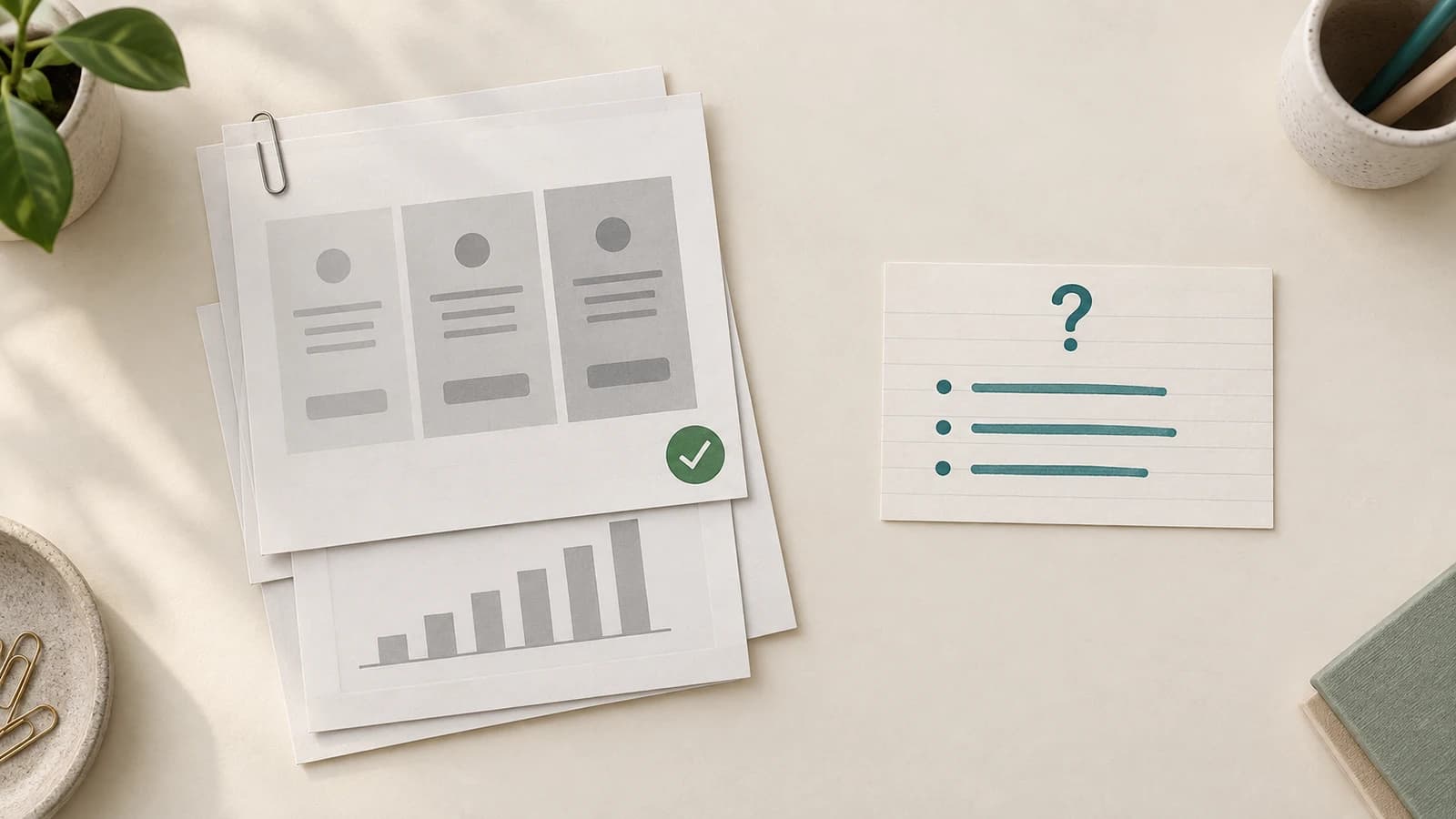
Interviews are expensive, especially if you’re doing them for the first time and don’t have an audience yet. So before the first ones, make sure to check everything you can check publicly: who your potential competitors are (who is already selling to your potential buyers?), how much they charge, and whether there is a market at all.
Let’s say you want to develop an app that would help independent personal trainers manage their booking and payments. Here is what public pages tell you before a single call:
| Desk check | What public data said | What is left for the interview |
|---|---|---|
| Does the market exist? | 388,400 fitness trainer and instructor jobs in the US in 2025, projected to grow 7 percent from 2025 to 2035 | Does this trainer run their own client list, or does the gym? (questions 21, 22) |
| Who already sells to them? | ABC Trainerize and TrueCoach both sell client and workout software to personal trainers | Has this trainer tried one, and why did they keep or drop it? (questions 8, 10) |
| What do they charge? | Trainerize lists a free plan for one client and paid plans priced by number of clients; TrueCoach offers a 14-day free trial, then monthly or annual plans | What does this trainer pay now, and what did they cancel? (questions 14, 19) |
Source: U.S. Bureau of Labor Statistics, Occupational Outlook Handbook, Fitness Trainers and Instructors; ABC Trainerize pricing and TrueCoach pricing; all read October 12, 2026. The BLS figure counts jobs, not businesses or software buyers.
As you can see in the market row, many personal trainers are not independent but work for gyms and studios, where the decision to buy software will probably not be taken by the trainers themselves. And the price row says a trainer can try either tool without paying: a one-client free plan or a 14-day trial.
This way, you can skip questions like "Are there trainers or software for this already?" and go straight to what no public page can answer: whether this trainer has the pain, what they pay now, and who signs.
I built Preuve’s free idea validation check for this part, and you can run it before your first call. Just scan your idea: in less than a minute, it checks 60+ live data sources and gives you a score with the main risks of your idea and a first look at your competitors. What they charge you still read off their pricing pages, as above. In my benchmark study, based on anonymized data from 6,000+ ideas, 17.5% got a clear go, so it’s likely your idea will also have some risks. And that’s ok! You can use these risks to guide your first calls: if one of them is about competition, focus on questions 8 and 10; if it’s about willingness to pay, focus on questions 14 and 15. Run the free check on your idea before you book the first call.
Methodology and sources
| Source | What we used | Size or date | Limitation |
|---|---|---|---|
| Rob Fitzpatrick, "The Mom Test" (book) and its official site | The three rules, the three types of bad data, the three commitment currencies, the author background, "How much would you pay?" as a bad question, that "would you ever" questions need not be banned outright, that founders mention the idea too soon far more often than too late, digging behind feature requests, the closing question "Is there anything else I should have asked?" and one quoted rule of thumb | Book first published 2013; official site read October 12, 2026 | A practitioner’s handbook, not a study. The 26 question wordings on this page are mine, built on its rules, not taken from it |
| r/startups, "Identifying Pain Points: Why Are My Interviews So Vague?" | A founder’s too-broad opening question and a reply on generic answers | One thread with comments, read October 12, 2026 | One founder’s account; thread date shown only as "2y ago" |
| r/SaaS, "The 5 questions from The Mom Test that actually validate SaaS ideas" | The point about talking to the person who controls the budget | One post with comments, read October 12, 2026 | Self-reported; thread date shown only as "1y ago" |
| Hacker News discussion of The Mom Test (item 28667439) | The refundable-check story and the "which line is this?" trick for open questions | Discussion of September 27, 2021, read October 12, 2026 | Anecdotes from commenters, not measurements |
| U.S. Bureau of Labor Statistics, Occupational Outlook Handbook: Fitness Trainers and Instructors | Number of jobs in 2025 (388,400) and projected growth from 2025 to 2035 (7 percent) | National jobs count, read October 12, 2026 | Counts jobs, not businesses or software buyers; many of these trainers work for gyms and studios |
| ABC Trainerize pricing page | That it sells to personal trainers, has a free plan for one client and prices paid plans by client seats | One pricing page, read October 12, 2026 | List prices before any discount; can change at any time |
| TrueCoach pricing page | That it sells to personal training businesses, with a 14-day free trial and monthly or annual plans | One pricing page, read October 12, 2026 | List prices before any discount; can change at any time |
| Preuve benchmark study, 3rd edition | Share of ideas that got a clear go (17.5%) | 6,000+ analyses, July 2026 | Founders who chose to scan their own idea, not a random sample |
FAQ
What is the Mom Test?
The Mom Test is a set of three rules for customer conversations from Rob Fitzpatrick’s 2013 book of the same name: ask about the person’s life and keep your idea out of it, ask about specific things that already happened rather than opinions about the future, and let them do most of the talking. The name comes from the idea that a good question is one even your mom could not lie to you about.
How many Mom Test interviews do I need?
Keep talking to people in one narrow group until their stories start repeating and new calls stop surprising you. I cover how to find people, how many calls to book and how to run each one in my separate guide to customer interviews on the Preuve blog.
Can I mention my idea in a Mom Test interview?
Yes, at the end, once you have the facts about their problem, their workaround and their spending. Mention it to ask for something that costs them: a follow-up meeting, an introduction or a deposit. If you mention it earlier, the rest of the call becomes them rating your idea instead of describing their week.
What do I do when someone says they love my idea?
Thank them and steer back to their past: "When did this last come up for you, and what did you do?" A compliment is not evidence. If they really want it, ask for a commitment that costs them something, such as a booked follow-up or an introduction to the person who would pay. Their answer to that ask is the real signal.
What counts as a real signal in a Mom Test interview?
A commitment. The Mom Test names three currencies: time (a follow-up meeting, a trial on their own data), reputation risk (an introduction to their boss or a colleague) and cash (a deposit, a pre-order, a paid pilot). A stated intention, a compliment or a promise to buy later is not a signal.
Cite this page
Last updated October 16, 2026
Forat, V. (2026, October 16). Mom Test Questions: 26 Bad vs Good Examples. Preuve AI. https://preuve.ai/blog/mom-test-questions
Forat, Vincent. “Mom Test Questions: 26 Bad vs Good Examples.” Preuve AI, 16 Oct. 2026, preuve.ai/blog/mom-test-questions.
Forat, Vincent. “Mom Test Questions: 26 Bad vs Good Examples.” Preuve AI. October 16, 2026. https://preuve.ai/blog/mom-test-questions.
@misc{forat2026-mom-test-questions,
  author = {Forat, Vincent},
  title = {{Mom Test Questions: 26 Bad vs Good Examples}},
  howpublished = {Preuve AI},
  year = {2026},
  month = oct,
  url = {https://preuve.ai/blog/mom-test-questions},
  note = {Last updated October 16, 2026}
}
Vincent
5 years in B2B growth, building Preuve AI in public. 82% of ideas it scores aren't ready, the point is finding out in 10 minutes, not 3 months.
Follow on X →
Building is expensive. Validation is free.
Run your idea through 10 AI agents before you write a line of code. Every claim source-linked.