Key takeaways
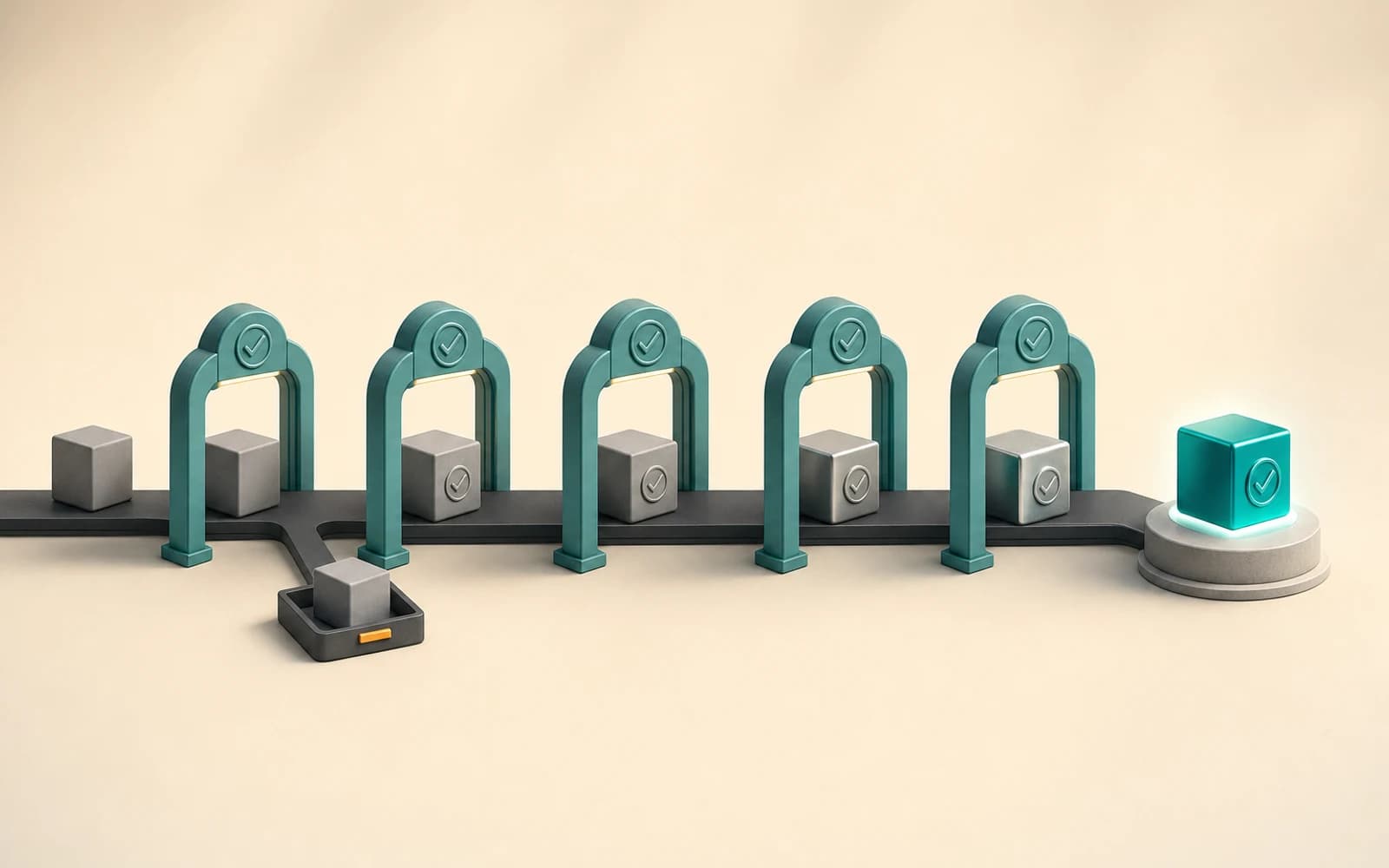
- Startups that failed and came back rarely came back on the same terms that killed them: A specific thing flipped first. A cost curve, a piece of technology, a regulation, a buying behavior, or the company’s own focus, and the comeback rode that one shift.
- The catalyst is dateable: Apple ran ~90 days from insolvency in 1997 before a $150M Microsoft deal and a product-line cut. Lego lost about $1M a day in 2003, then quadrupled revenue from 2004 to 2014 by cutting SKUs from ~13,000 to ~7,000. Nintendo turned three years of operating losses around with the Switch in 2017.
- A real comeback differs from a lucky pivot: A comeback rides a shift in the world that anyone can point to with a date. A pivot just changes what the team builds. Confusing the two is how founders justify reviving a market that never reopened.
- You can test it before you build: Name the thing that killed the original, prove it flipped with a date and a number, and confirm someone already pays for the problem today. If you cannot fill all three, the market did not reopen.
Apple was about 90 days from running out of cash in 1997. Twenty-three years later it became the first company worth a trillion dollars. The story you usually hear about startups that failed and came back is a story about grit. It is mostly a story about one thing changing.
I build a startup validation tool and I spend a lot of time in the graveyard of failed companies, because the corpses are honest in a way live pitches never are. Every comeback below came back for a reason you can date. If you are eyeing a market that already buried someone famous, the only question that matters is whether the thing that killed them has actually flipped, or whether you are about to walk into the same wall they did.

Will your idea survive the market?
Preuve AI runs 10 agents against live market data and links every claim to a source. Free analysis in 60 seconds.
Which Failed Startups Came Back?
I pulled nine comebacks, four companies that nearly died and five categories or products that did die, and tagged each one with the single catalyst that flipped. Every story here has a grit component, and grit is not the thing I watch. The dateable catalyst is what separates a comeback from a corpse that stayed dead.
Companies That Came Back by Doing Less
These four did not need the world to change. They needed to stop doing most of what they were doing. In each case the catalyst was internal: a brutal cut in scope, usually paired with a cash lifeline that only bought the time to make the cut.
1. Apple
What killed it: A sprawling product line, the Newton flop, and around a billion dollars in annual losses. By mid-1997 Apple had, by Steve Jobs's own later account, less than 90 days of cash left.
What changed: Jobs came back, took a $150 million investment from Microsoft and a five-year Office commitment, then cut the product line down to four boxes on a two-by-two grid. The lifeline bought time. The focus cut was the comeback.
Catalyst type: Internal focus cut plus a cash lifeline. No market shift required.
2. Lego
What killed it: Over-expansion into clothes, watches, theme parks, video games and a sprawling catalog. By 2003 Lego was losing around $1 million a day and carrying roughly $800 million in debt.
What changed: A new CEO cut the part count from about 13,000 to 7,000, sold off the theme parks, and returned to the core brick. From 2004 to 2014 revenue quadrupled, and Lego is now the most valuable toy brand in the world.
Catalyst type: Internal focus cut. The market never moved. Lego did.
3. Marvel
What killed it: A collapse in the speculative comics and trading-card market. Marvel filed for Chapter 11 bankruptcy in December 1996.
What changed: Instead of licensing its characters out for scraps, Marvel raised $525 million against the film rights to its own characters and made its own movies. Iron Man in 2008 launched the Marvel Cinematic Universe, and Disney later bought the company for about $4 billion.
Catalyst type: Internal model change. Marvel stopped renting its asset and started owning the upside.
4. Nintendo
What killed it (almost): The Wii U. A console with a muddy value proposition and a thin game library that drove three straight years of operating losses.
What changed: The Switch, launched in March 2017, fixed the one thing the Wii U never communicated: a clear hybrid handheld-and-TV idea with a steady stream of games. It sold more in its first year than the Wii U managed in five.
Catalyst type: Internal product clarity. Nintendo's own president later credited the Wii U's failure with teaching them how to build the Switch.
Categories That Died, Then Came Back When the World Changed
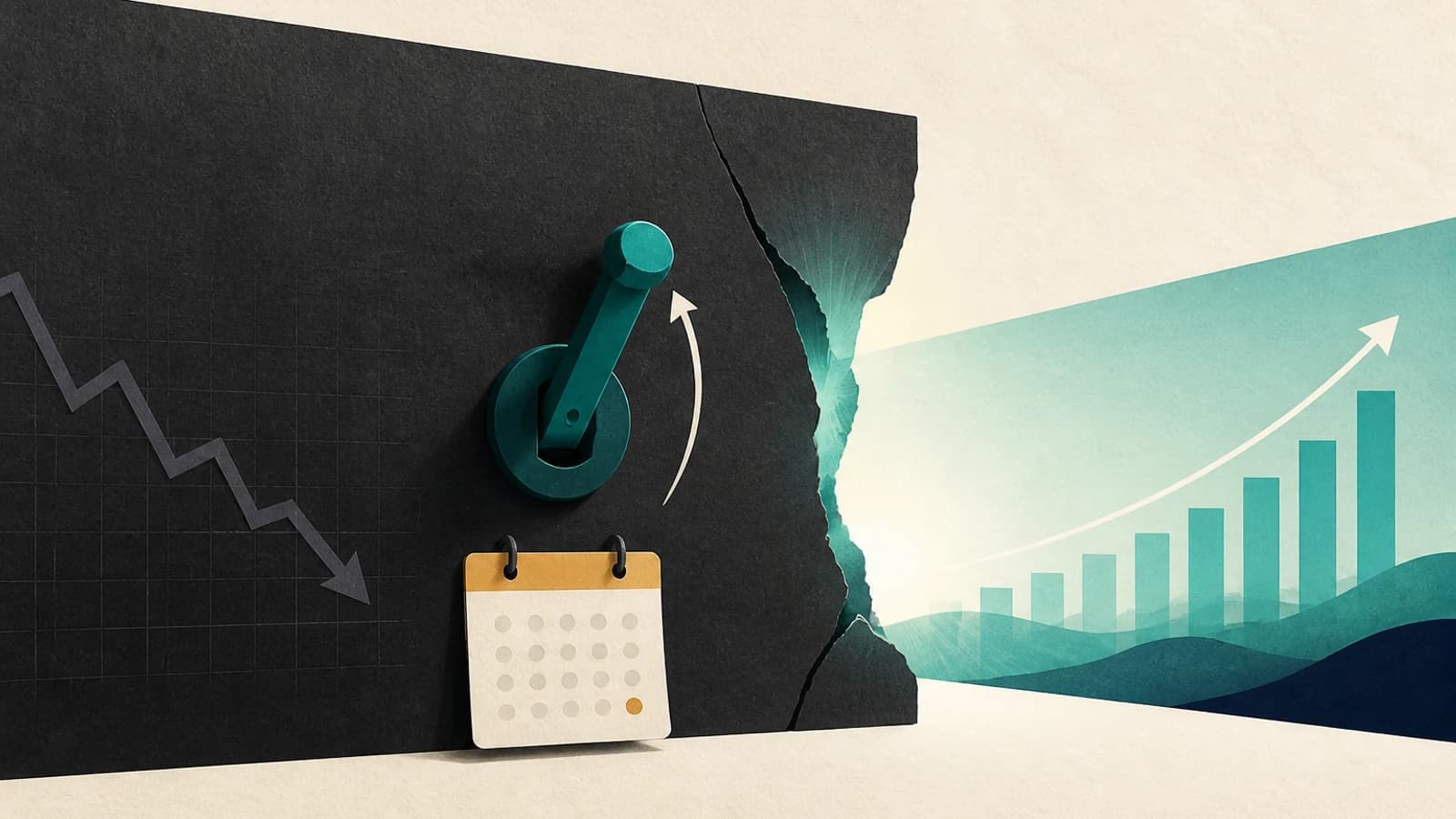
These are different. The original company is gone, but the idea came back through a new player because a dependency in the outside world finally flipped. This is the comeback that should interest you most, because it is the one you can copy. The catalyst here is external and dateable, which means you can check whether it has happened in your market too.
5. Online Grocery Delivery
What killed it: Webvan went bankrupt in 2001 after raising around $800 million to build robotic warehouses in cities with too few online shoppers to fill them. The fixed costs ate it alive.
What changed: Smartphones put a store in every pocket, gig labor turned delivery into a variable cost instead of a fixed one, and micro-fulfillment robotics made the warehouse math work. Instacart turned the same model into a public company.
Catalyst type: Cost curve plus behavior. Webvan's killer was fixed cost per delivery, and that line finally bent.
6. EV Battery Swapping
What killed it: Better Place went bankrupt in 2013 after raising about $850 million. It needed automakers to standardize on its battery and a network of stations before any EVs existed to use them, and it ran out of money building both at once.
What changed: EVs went mainstream, and NIO now runs thousands of battery-swap stations in China. The cars and the standard that Better Place lacked now exist.
Catalyst type: Technology adoption. The market the idea depended on finally showed up.
7. Online Used Cars
What killed it: Beepi shut down in 2017 after raising around $150 million. Inspection and logistics costs, plus the inventory sitting on its books, ran ahead of the trust it could build, and it spent faster than the model could scale.
What changed: Carvana made buying a car online normal, surviving its own near-bankruptcy in 2022 and 2023. The online inspection and financing stack Beepi had to invent by hand is mature now, home delivery included.
Catalyst type: Behavior plus infrastructure. Buyers learned to trust a car they had not touched, and the tooling caught up.
The Two Everyone Calls Comebacks That Are Really Pivots
These two show up on every "failed and came back" list, and they are great stories. But they are not market comebacks, they are pivots. I am including them because the difference is the whole point of this post, and mixing the two up is how founders talk themselves into reviving a market that never actually reopened.
8. Slack
What killed it: A game. Tiny Speck's online game Glitch shut down in 2012 after failing to find an audience.
What changed: Nothing in the outside world. The team noticed the internal messaging tool they had built to survive was the one thing they could not stop using, spun it out, and Slack passed a billion-dollar valuation fast.
Catalyst type: A pivot, not a market comeback. The asset already existed inside the company. No dated external shift made messaging suddenly viable.
9. Airbnb
What killed it (almost): Investor rejection. In 2008 the idea of strangers sleeping in your home got the founders turned down everywhere, and they were buried in credit-card debt.
What changed: They sold over a thousand boxes of branded cereal at $40 each to stay alive, which convinced Y Combinator's Paul Graham that founders who could pull that off could survive anything. The recession then pushed people toward renting out spare rooms.
Catalyst type: Mostly grit and timing, not a market that died and reopened. A real near-death survival, but not the dead-category comeback the others are. Worth telling apart.

Skip weeks of manual research
Get complete market research, sourced proof, competitor map, and pricing data for your idea instantly.
What Is the Difference Between a Comeback and a Lucky Pivot?
A market comeback rides a shift in the outside world you can point to with a date: a cost curve finally fell, or a regulation passed, or enough people changed how they bought something. A pivot just changes what the team builds, usually with assets it already had. Both can mint a great company, but only the comeback tells you a dead market is worth re-entering.
Market comeback (copyable signal).
Online grocery, battery swapping and online used cars came back because something external flipped on a date you can cite. If the same shift shows up in your market, that is a green light you can act on.
Pivot (inspiring, not copyable).
Slack and Airbnb survived on grit and a found asset, not on a market that died and reopened. You cannot reverse-engineer a strategy from luck and a cereal box. Admire them, do not model your market entry on them.
The reason this matters: founders read a list like this, feel inspired, and conclude that persistence is the lesson. It is not. The world has to change first, and you have to be able to point to the date when it did, which is the part grit cannot substitute for. I wrote a whole list of dead startup ideas worth reviving in 2026 using exactly this filter.
Why Do Companies Fail Then Succeed Later?
Most of the time, the first company was right about the destination and wrong about the year. It depended on something that did not exist yet, usually cheap hardware or a gig-labor network it could not afford to build itself, so it spent its money building that missing piece and ran out of runway. A few years later the piece arrives for free, and a second company collects the market the first one paid to prove.
This is not just my read. Bill Gross, who founded Idealab and incubated more than 100 companies, ran the numbers on 200 startups and found timing mattered more than the idea, the team or the funding.
"Timing accounted for 42 percent of the difference between success and failure."
Running out of cash is the headline cause of death, but it is usually a symptom of bad timing underneath. I dug into what actually kills companies, versus what gets blamed, in why most startups fail. The short version: the company that failed first was rarely wrong about the idea. It was wrong about when.
How Do I Spot a Market That Is Finally Ready in My Own Space?
Here is the part the inspirational lists skip. The hard part is not recognizing these shifts in hindsight, where they all look obvious. It is seeing one in your own market before the obituary of the last company has stopped scaring everyone else off. I run three tests, and a market has to pass all three before I believe it has reopened.
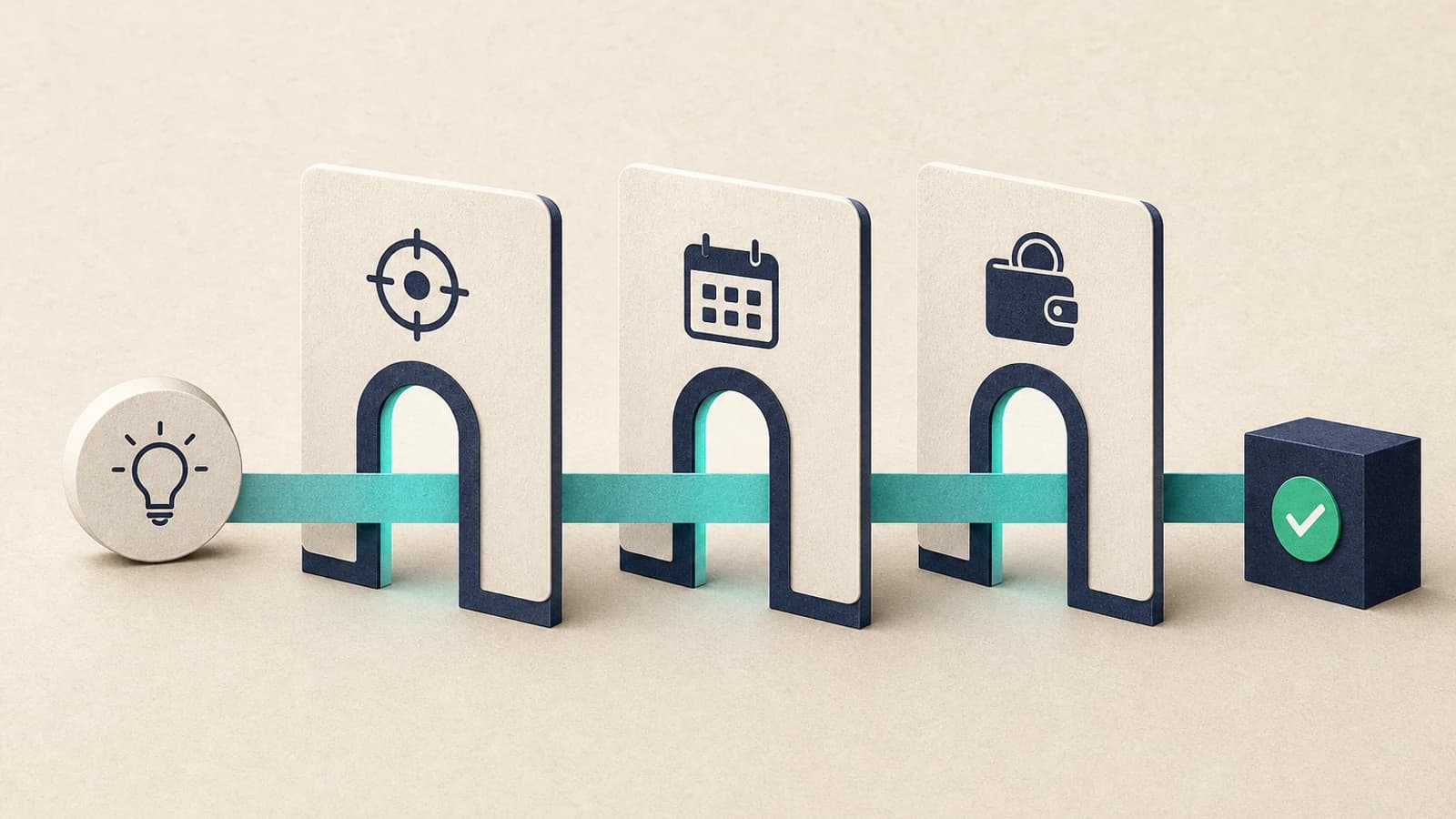
Name the killer. Write down the single thing that broke the original company. Fixed cost per delivery for Webvan. A missing battery standard for Better Place. If the honest answer is "nobody wanted it," stop. A demand problem does not heal with time.
Date the flip. Prove that exact thing changed, with a year and a number. "AI got better" is not a flip. "Cloud GPU inference fell to X cents per call in 2025" is. No date, no comeback.
Find the buyer who already pays. Someone must spend money on this problem today, even on a worse tool. A real shift with no paying buyer is a science project, not a comeback.
The replacement test catches the fakes. If you cannot name the dated catalyst, try this: would the market reopen if you swapped your team for the original founders and handed them today's tools? If yes, the shift is real and external. If the only difference is that you are more determined than they were, you are still looking at the same wall the first company hit.
Can a Startup Come Back From Near Bankruptcy?
It can, but the near-bankruptcy comebacks almost never run on cash alone. They pair a lifeline with a hard cut. Apple's recovery took $150 million and killed most of its product line, and Lego borrowed while slashing its catalog and selling its theme parks. The cash buys a few months, but the recovery comes from doing dramatically less of what caused the losses in the first place.
A rescue that only adds money usually fails again. Pan Am tried to relaunch five separate times and stayed dead, because the thing that killed it never changed. If you are reviving a near-dead idea, the more useful question is what the original company never managed to stop doing, because raising enough to survive was rarely the part that actually saved anyone.
The honest reason most "failed and came back" stories are useless to you is that they celebrate the survival and skip the catalyst, which is the only part you can actually copy. Find the dated shift in your own market, prove it with a number, and confirm someone already pays, and what looks like reviving a dead idea starts to look like entering a market at the right moment instead of the wrong one.
This is the entire reason I built Preuve AI. Run your version of a once-dead market through my AI idea validation, and it checks the timing thesis, competitor density, buyer demand and the obvious failure modes against 60+ live data sources, then tells you whether the market actually reopened or you are about to repeat someone else's loss. Scan your idea free and spot a market that is finally ready before you build. If you want the cautionary flip side first, I keep a list of zombie startup ideas that keep coming back and keep dying, because not every comeback is real.
FAQ
Which failed startups came back?
Several famous companies failed or nearly died, then came back. Apple was about 90 days from bankruptcy in 1997 before a $150 million Microsoft investment and a hard product-line cut under a returned Steve Jobs. Lego was losing roughly $1 million a day in 2003 and came back by cutting its product range and selling off non-core assets. Marvel filed Chapter 11 in 1996 and came back by financing its own films. Whole categories came back too: online grocery killed Webvan in 2001 and now runs through Instacart, and EV battery swapping bankrupted Better Place in 2013 before NIO scaled it in China.
Why do companies fail then succeed later?
Companies fail then succeed later when the specific thing that broke them changes. The first attempt usually depends on something that does not exist yet, cheap hardware, a gig-labor network, a regulation, broadband, or a buying habit, so it burns its money building that missing piece and runs out of runway. A few years later that piece arrives for free, and a second company collects the market the first one paid to prove. Timing, not the concept, is the variable that moved.
What is the difference between a comeback and a pivot?
A comeback rides a shift in the outside world that you can point to with a date: a cost curve fell, a regulation passed, a behavior went mainstream. A pivot just changes what the team builds, often using assets they already had. Slack came out of a failed game called Glitch, which is a pivot, the world did not change, the team noticed a tool they could not stop using. A market comeback is different, and only the market comeback tells you a dead category is worth reviving.
Can a startup come back from near bankruptcy?
Yes, but near-bankruptcy comebacks almost always pair a cash lifeline with a hard cut in scope, not just a new strategy. Apple took $150 million from Microsoft and killed most of its product line. Lego took on debt while slashing SKUs from about 13,000 to 7,000 and divesting theme parks. The cash buys time, but the recovery comes from doing dramatically less. A rescue that only adds money without removing the thing that caused the losses usually fails again.
How do I know if a market that killed a startup is ready now?
Run three checks. First, name the single thing that killed the original company. Second, prove that thing has flipped, with a year and a number you can cite, not a vibe like "AI is better now." Third, confirm a buyer already pays to solve the problem today, even with a worse tool. If you cannot complete all three, the market has not reopened, and reviving the idea just repeats the original loss.

Vincent
5 years in B2B growth, building Preuve AI in public. 82% of ideas it scores aren't ready, the point is finding out in 10 minutes, not 3 months.
Follow on X →
Building is expensive. Validation is free.
Run your idea through 10 AI agents before you write a line of code. Every claim source-linked.