Key takeaways
- Most popular startup categories are already too crowded: Fluenta's Q2 2026 analysis of 130 SaaS ideas found only 14.6% sit in the fundable-but-uncrowded quadrant. The median saturation score is 57 out of 100.
- The AI tools category is the most oversaturated in SaaS: 1,213 tracked startups compete for a market where the median company earns $7 per month (BigIdeasDB, 2026). AI writing assistants, chatbots, meeting summarizers, and logo generators all score above 70% saturation.
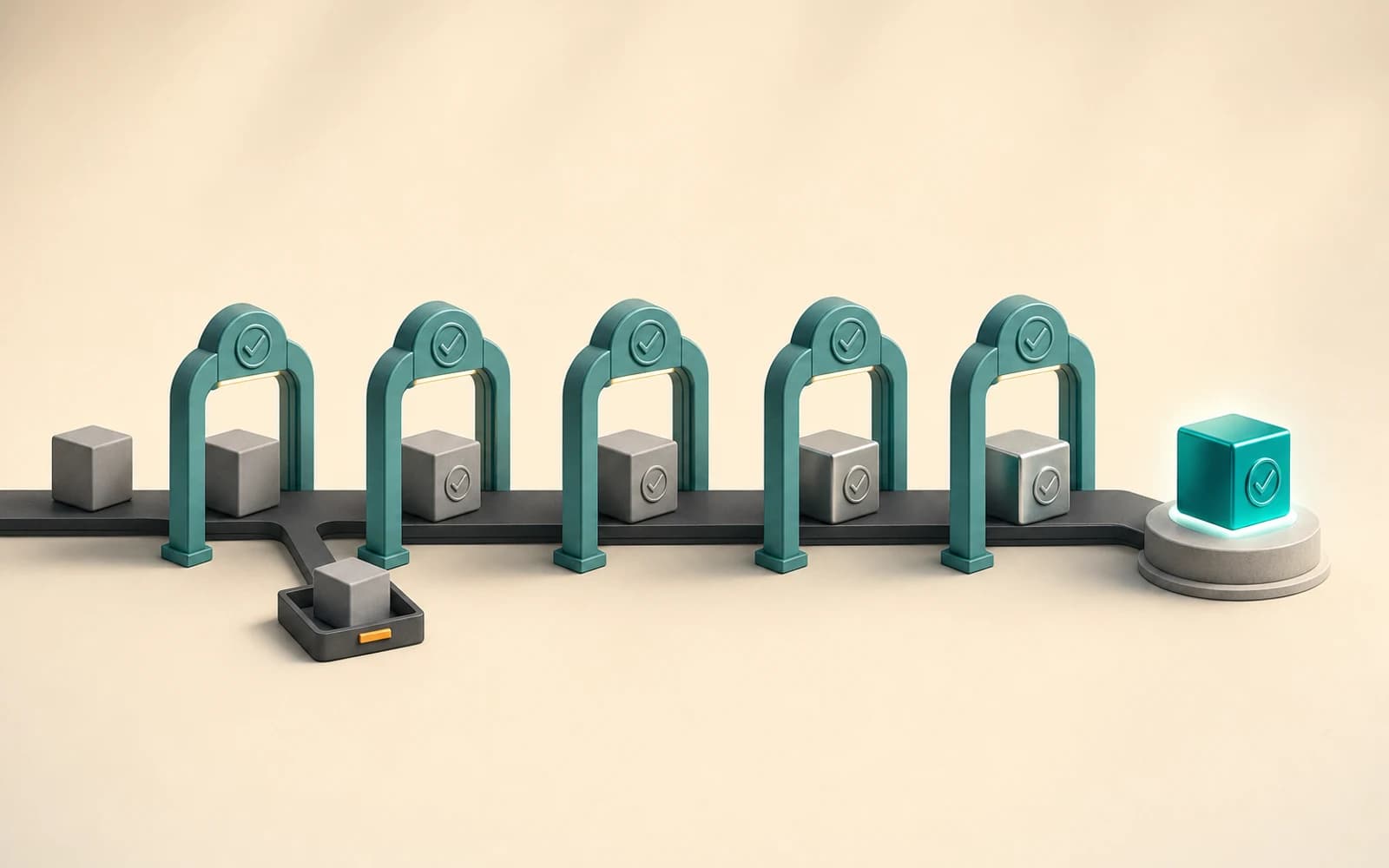
- Three signals predict saturation before building: Competitor density (count funded players on Crunchbase and G2), search trend direction (Google Trends for the category), and funding momentum (recent VC deal flow). All three are checkable in under five minutes.
- Saturation is not a death sentence if you niche down: A crowded category with weak reviews, underserved segments, or a vertical wedge can still support a new entrant. The line between competitive and saturated is whether a specific gap exists.
1,213 AI tool startups. $7 median monthly revenue. That single number from BigIdeasDB captures what happens when founders chase the same overdone startup ideas without checking the market first.
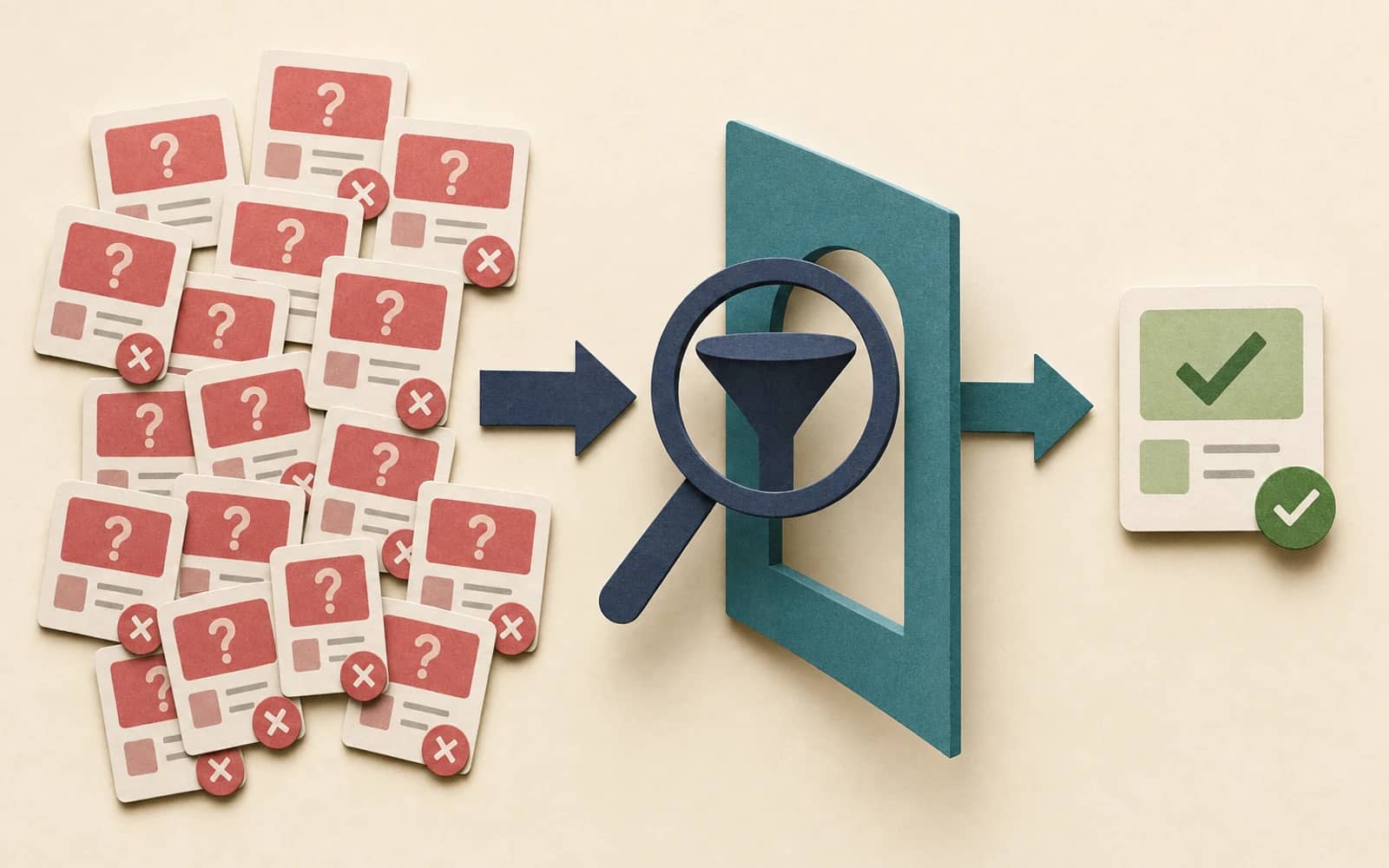
I built Preuve AI to check whether a market is already full before a founder writes code. The same categories keep surfacing as oversaturated. Only about 15% of the most-discussed startup concepts land in a zone that is both fundable and uncrowded, according to Fluenta's Q2 2026 analysis of 130 SaaS ideas. The rest are traps.
Competition is fine, it proves demand. But there is a sharp line between a competitive market and a saturated one, and if you are about to build an AI writing assistant, a habit tracker, or another CRM, these numbers describe your future market. You can check saturation before you commit a dollar or a weekend.

Will your idea survive the market?
Preuve AI runs 10 agents against live market data and links every claim to a source. Free analysis in 60 seconds.
What Startup Ideas Are Overdone in 2026?
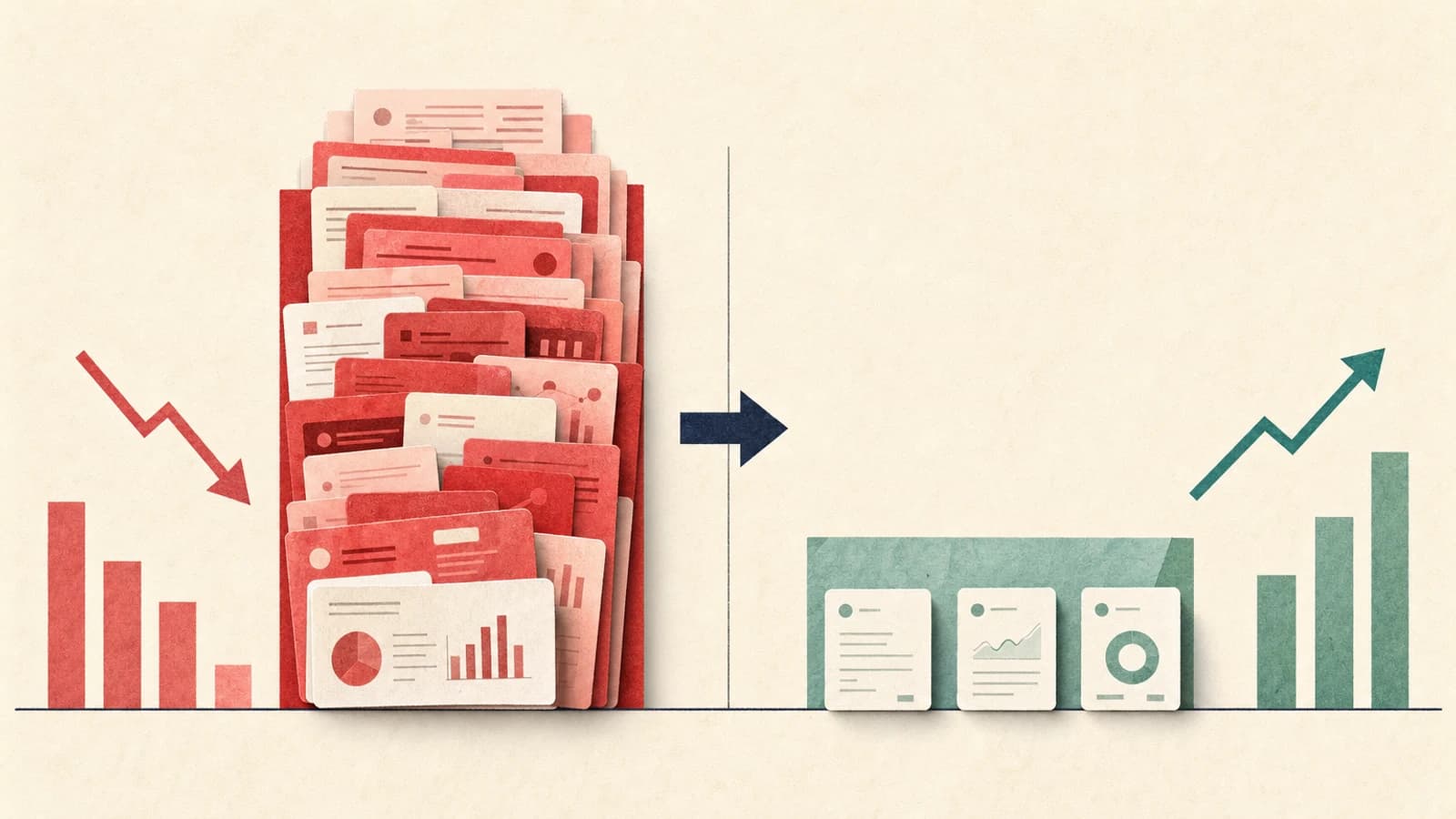
An overdone startup idea is one where more than 15 funded competitors already serve the same buyer, margins are compressing, and in most cases a major platform has absorbed the product as a built-in feature. These twelve categories score above 70% saturation across multiple data sources as of mid-2026.
1. AI Writing Assistants
Over 100 funded competitors including ChatGPT, Claude, Jasper, and Copy.ai. Google Docs and Notion now ship writing AI natively. PitchBook's 2026 AI Outlookcalled the broader AI market "oversaturated with startups that are too often simply thin wrappers around foundation models." When every productivity platform includes your product as a free feature, the standalone business is over.
2. AI Customer Support Chatbots
Intercom, Zendesk, and Freshdesk all added AI natively. Every enterprise help desk ships it by default. The standalone chatbot lost its reason to exist when the platforms absorbed the feature and started giving it away with existing subscriptions.
3. AI Meeting Summarizers
Zoom, Microsoft Teams, and Google Meet all include native transcription and AI summaries. Otter, Fireflies, and Fathom compete for what remains. When three of the four major video platforms ship your product for free, the standalone window has closed.
4. AI Resume and Cover Letter Builders
Thousands of free options on app stores. LinkedIn added AI writing to profiles and messages. The willingness to pay for a standalone resume tool is near zero when better alternatives exist inside platforms people already use daily.
5. AI Logo and Image Generators
Canva includes AI image generation. Open-source models like Flux and Stable Diffusion commoditized the underlying tech. Margins collapsed because the generation cost dropped to near zero while customers still expect "free."
6. Generic CRM Tools
Salesforce, HubSpot, and Pipedrive dominate with more than 50 funded competitors in the space. Unless you own a vertical niche like CRM for veterinary clinics or construction firms, competing head-on against platforms with decade-long switching costs is a losing bet.
7. Project Management Tools
Asana, Monday, Linear, Notion, and ClickUp have this locked up. BigIdeasDB reports low complaint velocity in this space, meaning users are not screaming for alternatives. The feature surface is mature and switching costs are high.
8. Personal Finance Dashboards
The "Mint is dead" trap. Every founder who spots the gap discovers the Plaid API costs and the reality that bank integrations break constantly. You end up spending 90% of your time fixing broken connections instead of building features anyone pays for.
9. Habit Trackers and Wellness Apps
Thousands of free versions on app stores. Near-zero willingness to pay. Most indie habit trackers become ghost towns within months of launch. Checking a box for drinking water is a hobby, not a business.
10. Social Media Scheduling Tools
Buffer, Hootsuite, Later, and Sprout Social have this covered. Low complaint velocity, low switching costs. Entering this market requires a distribution budget that makes the economics impossible for a bootstrapped founder.
11. Generic SaaS Starter Kits
Over 150 boilerplates combine Stripe, Tailwind, and a database. The creators spend more time marketing the kit than building anything with it. Zero defensibility when the next template ships by tomorrow.
12. Keyword Research Wrappers
Middleman play on Semrush and Ahrefs data. Professional SEOs already have their tools and beginners use the free versions. AI-driven search is disrupting the entire category from underneath, which makes the timing even worse.
The numbers tell a consistent story. Here is how a few categories compare on competitor density and revenue, using BigIdeasDB's 2026 tracking data:
| Category | Tracked Startups | Avg MRR | Verdict |
|---|---|---|---|
| AI Tools | 1,213 | $7 median | Oversaturated |
| Developer Tools | 332 | $2,450 | Crowded |
| Productivity | 205 | $2,100 | Crowded |
| Sales | 52 | $6,091 | Open |
| Recruiting & HR | 74 | $2,847 | Open |
| Community | 55 | $1,623 | Open |
How Do You Check if Your Startup Idea Is Saturated?
A saturated startup market is one where multiple well-funded competitors have strong reviews, commodity pricing has set in, and no identifiable underserved segment remains. Listing categories is useful, but it does not answer the harder question: is your specific idea in one? I use three signals. If all three point the wrong way, the market is probably saturated.
Count funded competitors. Search Crunchbase, G2, and Capterra for your category. Under 5 funded players means underserved. 5 to 15 is competitive but open. Above 15 funded competitors with real traction, and the market is oversaturated. I built this threshold into every Preuve validation scan.
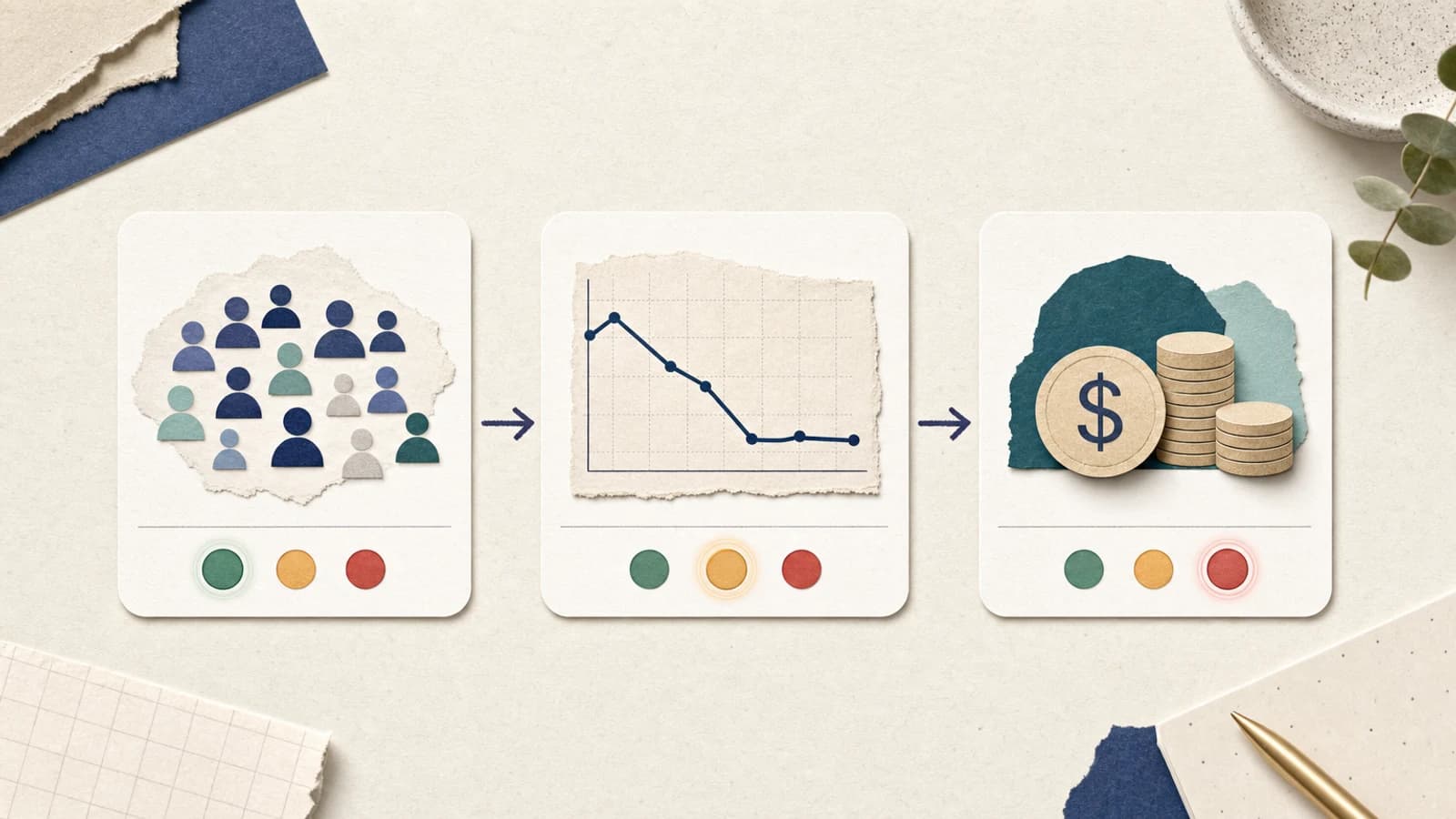
Check search trend direction. Pull your category keyword on Google Trends. A rising trend means the timing window is still open. Flat means the market is mature but stable. A declining trend with high competitor count is the worst case: the market is both crowded and shrinking.
Read funding momentum. Check recent VC deals in the vertical on Crunchbase or PitchBook. Surging deal count means the window is closing fast as capital floods in. Collapsed deal count means investors already moved on. Stable flow with low competitor density is the sweet spot.
If all three are red, stop. Two out of three means you need a tight niche before moving forward. One or zero, and you probably have room.
I built all three checks into Preuve's free scan. Paste your idea and it pulls competitor count, trend direction, and recent funding activity from 60+ sources in about 90 seconds. Run your idea through it free.
Skip weeks of manual research
Get complete market research, sourced proof, competitor map, and pricing data for your idea instantly.
Can You Still Succeed in a Saturated Startup Market?
Sort of. A saturated category with 50+ competitors can still have real gaps, but only if you narrow hard enough. Here is what has worked.
- Niche to a vertical. "AI writing tool" is saturated. "AI brief generator for personal injury law firms" is not. The tighter the wedge, the less competition. VC Boom's 2026 data shows vertical SaaS is one of only three verticals where investors are still actively writing checks.
- Reframe the category. A fintech startup is saturated. The same product labeled "SaaS for accountants" enters a different, less crowded conversation. The product does not change, but the conversation you enter does.
- Find the gap incumbents ignore. Read the 2-star and 3-star reviews on G2 and Capterra for every competitor in your space. The specific complaints customers write are your product roadmap. Fifty competitors with bad reviews is a more open market than three competitors sitting at 4.8 stars. I wrote a full walkthrough of this in how to check if your startup idea already exists.
Some of the most overdone categories today were dead ideas a few years ago. AI writing was a novel idea in 2022, and by 2025 it was oversaturated. That window keeps shrinking. I traced 15 of these reversals in dead startup ideas worth reviving in 2026, which covers the opposite problem: ideas that failed too early and are now viable again.
"The market is oversaturated with startups that are too often simply thin wrappers around foundation models lacking any deep or defensible moats. The window for new entrants is closing fast."
Where Are the Unsaturated Startup Ideas Right Now?
The lowest-saturation opportunities tend to be messy, which is exactly why most founders skip them. Fluenta's May 2026 data shows Legal and Compliance, HR and Hiring, and Productivity scoring well above their competition volume, which makes sense given the regulatory overhead.
Three keep showing up at the low end of every saturation table I have looked at this year:
- Regulated verticals like healthcare billing, legal compliance, and financial operations, where regulatory complexity keeps casual builders out.
- Boring industries underserved by software like HVAC, pest control, landscaping, and construction, where the buyer has money and urgency but no good digital tools.
- AI infrastructure like evaluation tools, reliability layers, and agent memory systems, where you sell picks and shovels instead of another agent.
I ranked 50 of these by saturation and timing signals in the 2026 startup ideas list. If your current idea landed on the overdone list above, those are the categories worth looking at next.
Before you pivot or commit, run the 3-signal check on your own, or paste your idea into a free Preuve scan and let it pull the data for you in about 90 seconds. As of June 2026, 90 seconds of checking beats six months of building into a wall.
FAQ
What startup ideas are oversaturated in 2026?
AI writing assistants, customer support chatbots, meeting summarizers, resume builders, logo generators, generic CRMs, project management tools, and personal finance dashboards are all oversaturated. The pattern: if an incumbent platform has added your feature natively, or if more than 15 funded competitors already exist, the category likely scores above 70% saturation. Fluenta's Q2 2026 report found only 14.6% of 130 scored SaaS ideas sit in a fundable-but-uncrowded zone.
How do I know if my startup idea is too competitive?
Check three signals. First, count funded competitors using Crunchbase, G2, and Capterra. Under 5 is underserved, 5 to 15 is competitive but open, above 15 is oversaturated. Second, check Google Trends for your category keyword. A declining trend means the market is contracting. Third, look at recent VC activity in the category. If deal count collapsed, investors have moved on. All three signals red means the category is saturated.
Can you still succeed in a saturated startup market?
Yes, but only by narrowing your target until the competition disappears. Three approaches work: niche to a specific vertical (AI for dentists, not AI for everyone), reframe the category (fintech becomes SaaS for accountants), or target a segment where incumbents have weak reviews and clear gaps. A head-on assault in a saturated market almost never works for a new entrant.
What is the difference between a competitive market and a saturated one?
A competitive market has 3 to 15 competitors with proven demand and clear weaknesses you can exploit. A saturated market has multiple well-funded competitors with strong reviews, commodity pricing, and no identifiable underserved segment. Competition validates demand. Saturation means the value has already been captured and the window for new entrants has closed.
Where should I look for unsaturated startup ideas in 2026?
The lowest-saturation opportunities in 2026 are in regulated verticals (healthcare billing, legal compliance, financial operations), boring industries underserved by software (HVAC, pest control, landscaping, construction), and AI infrastructure (evaluation tools, reliability layers, agent memory systems). These categories score high on demand and low on competition because the problems are messy enough to deter most builders.

Vincent
5 years in B2B growth, building Preuve AI in public. 82% of ideas it scores aren't ready, the point is finding out in 10 minutes, not 3 months.
Follow on X →
Building is expensive. Validation is free.
Run your idea through 10 AI agents before you write a line of code. Every claim source-linked.